|
On view now through July 12, 2026
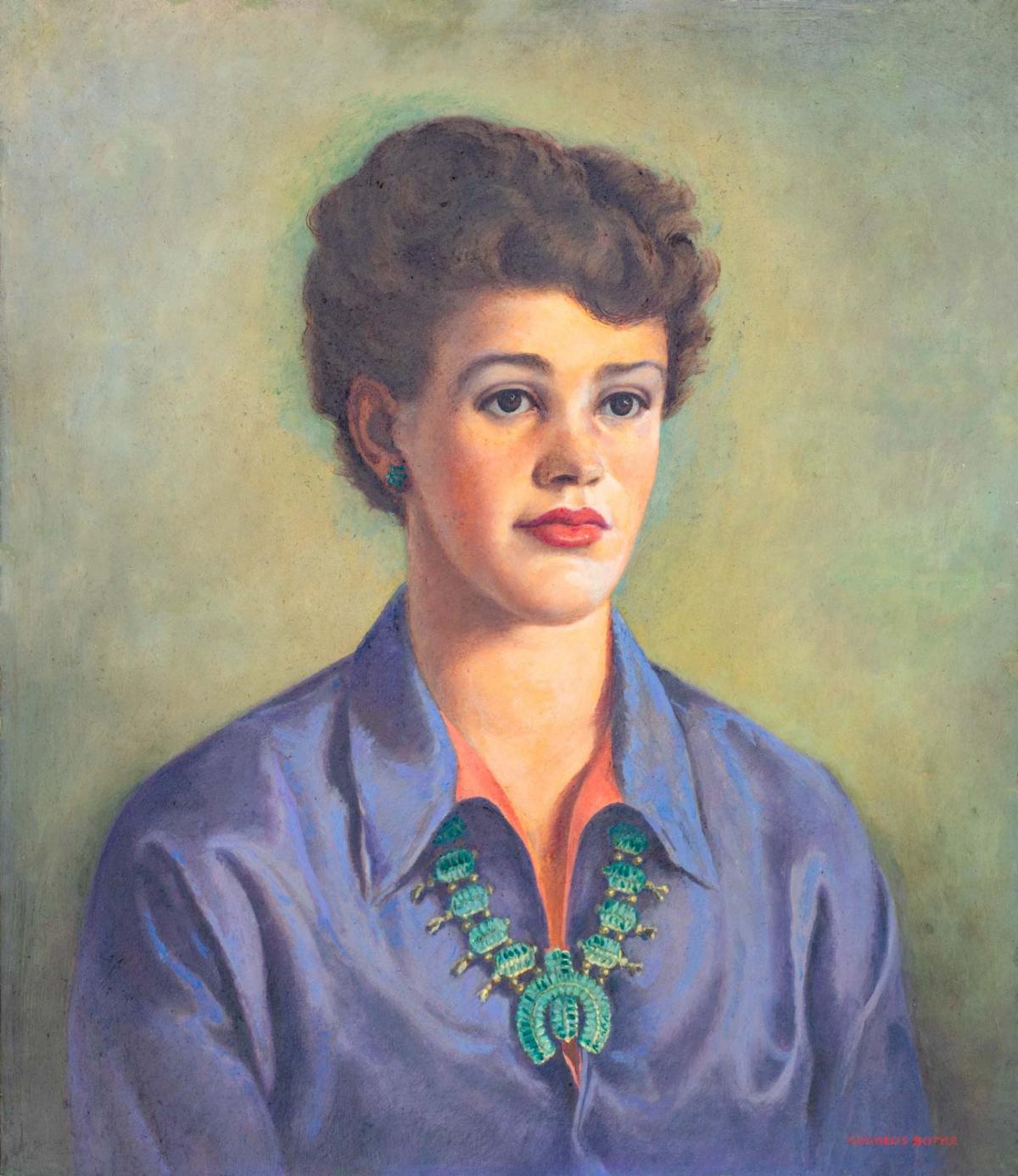
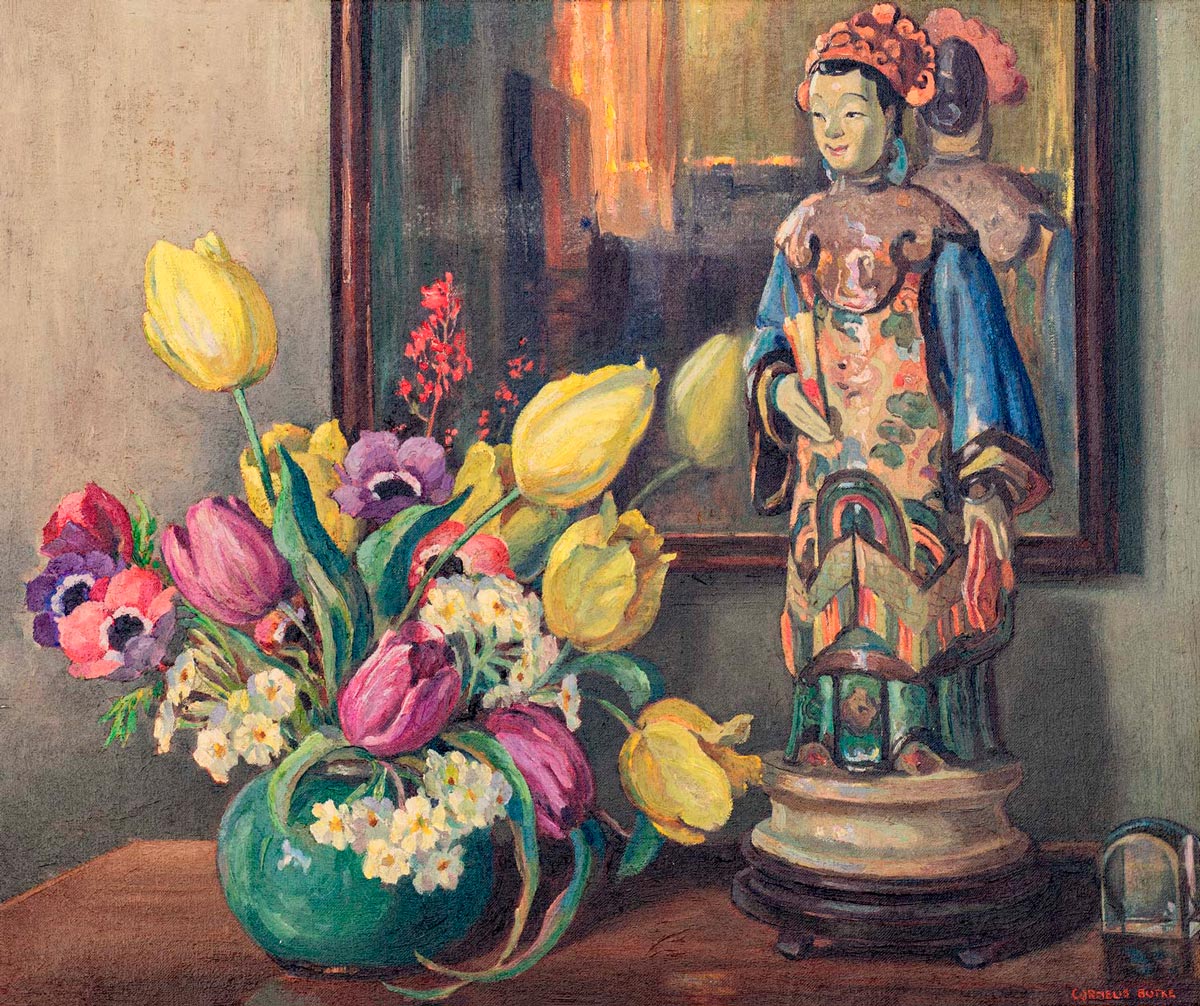
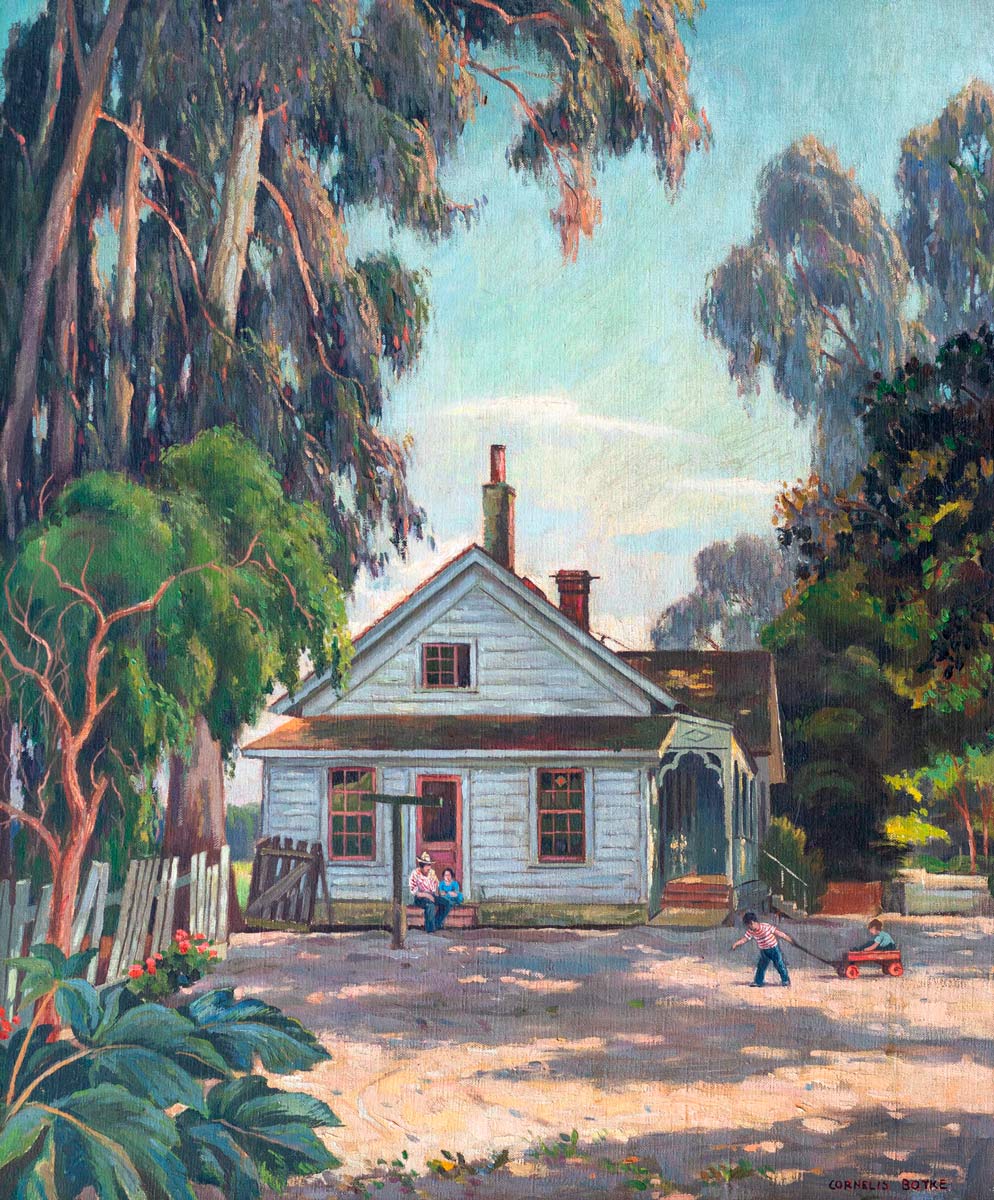
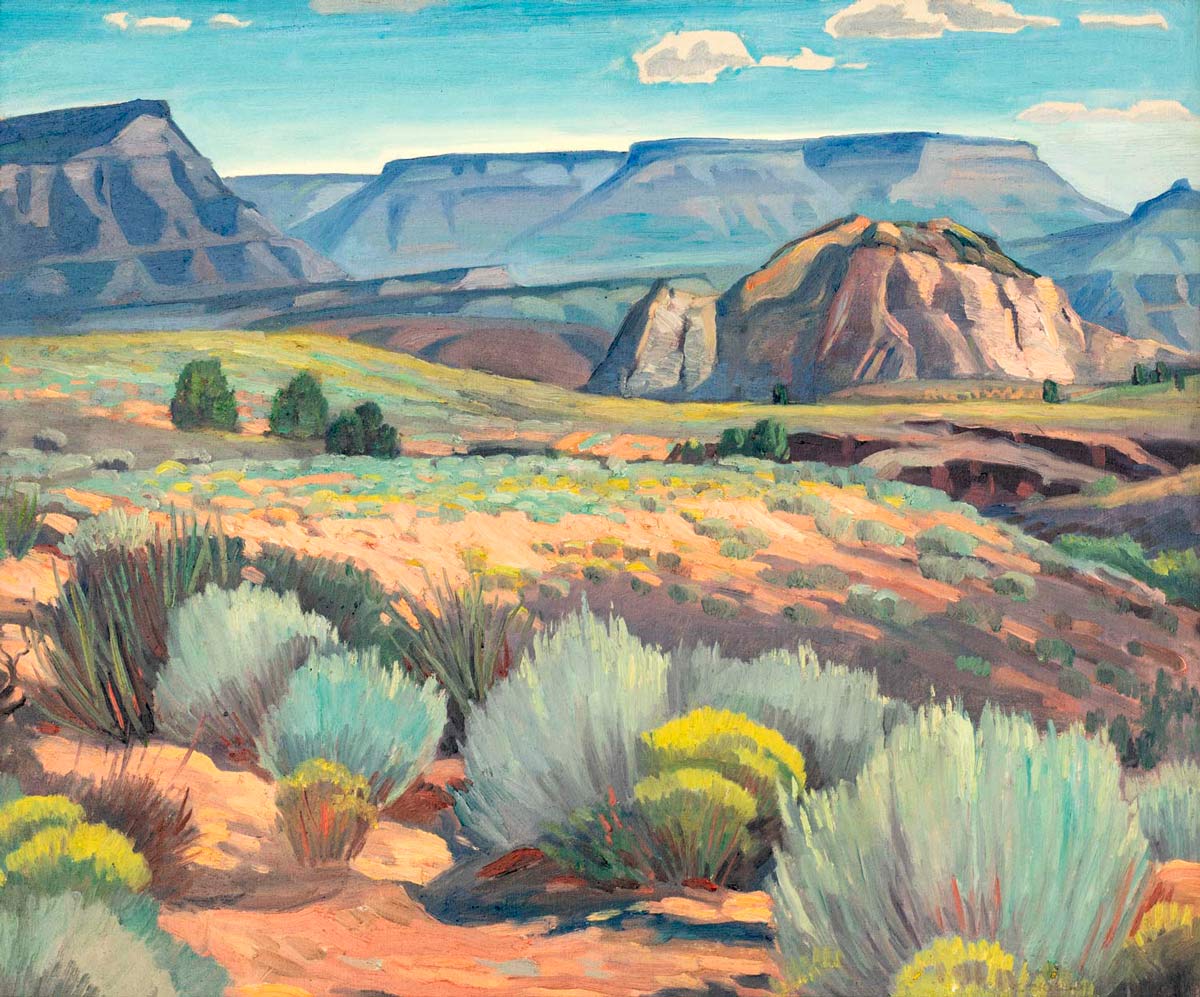
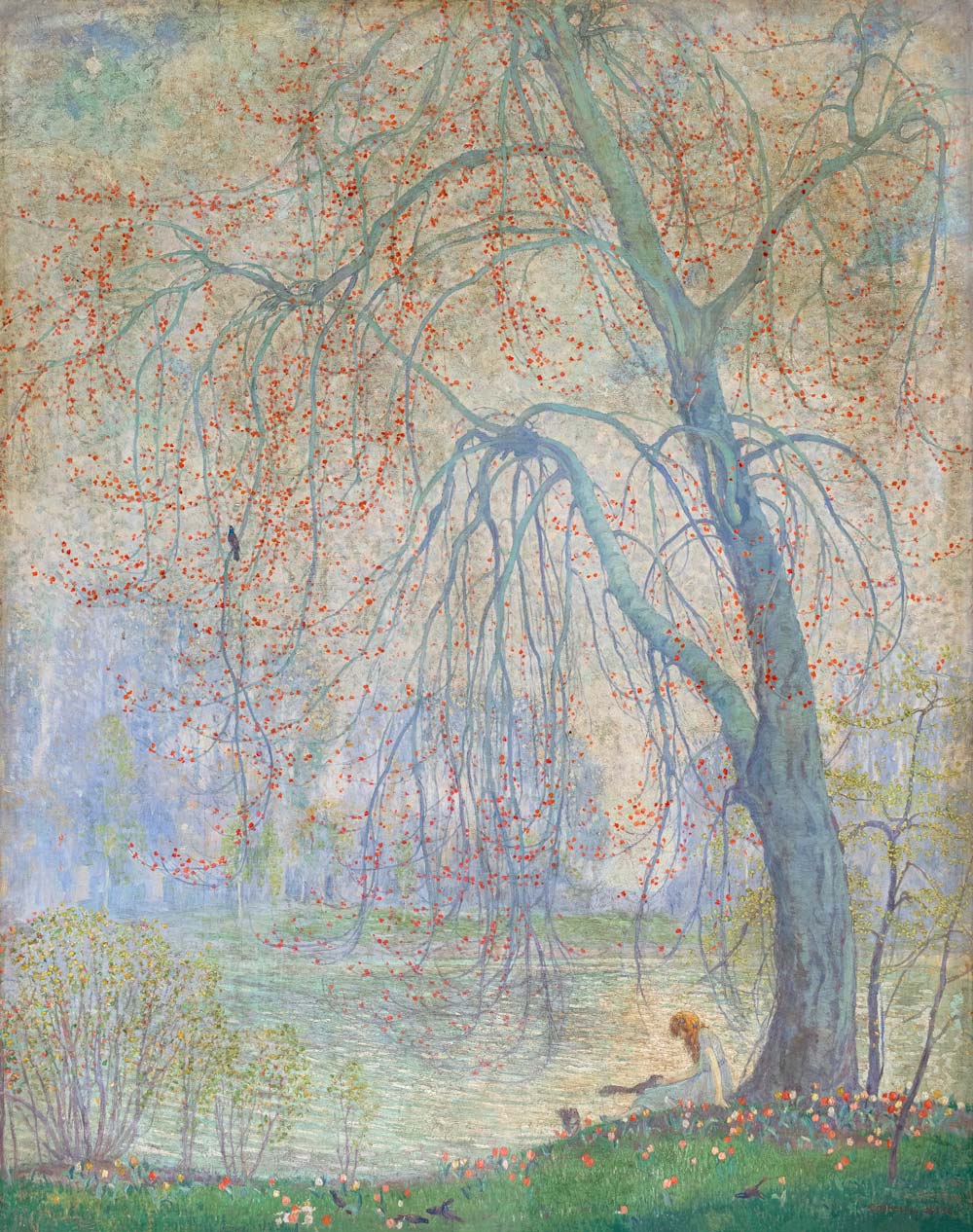
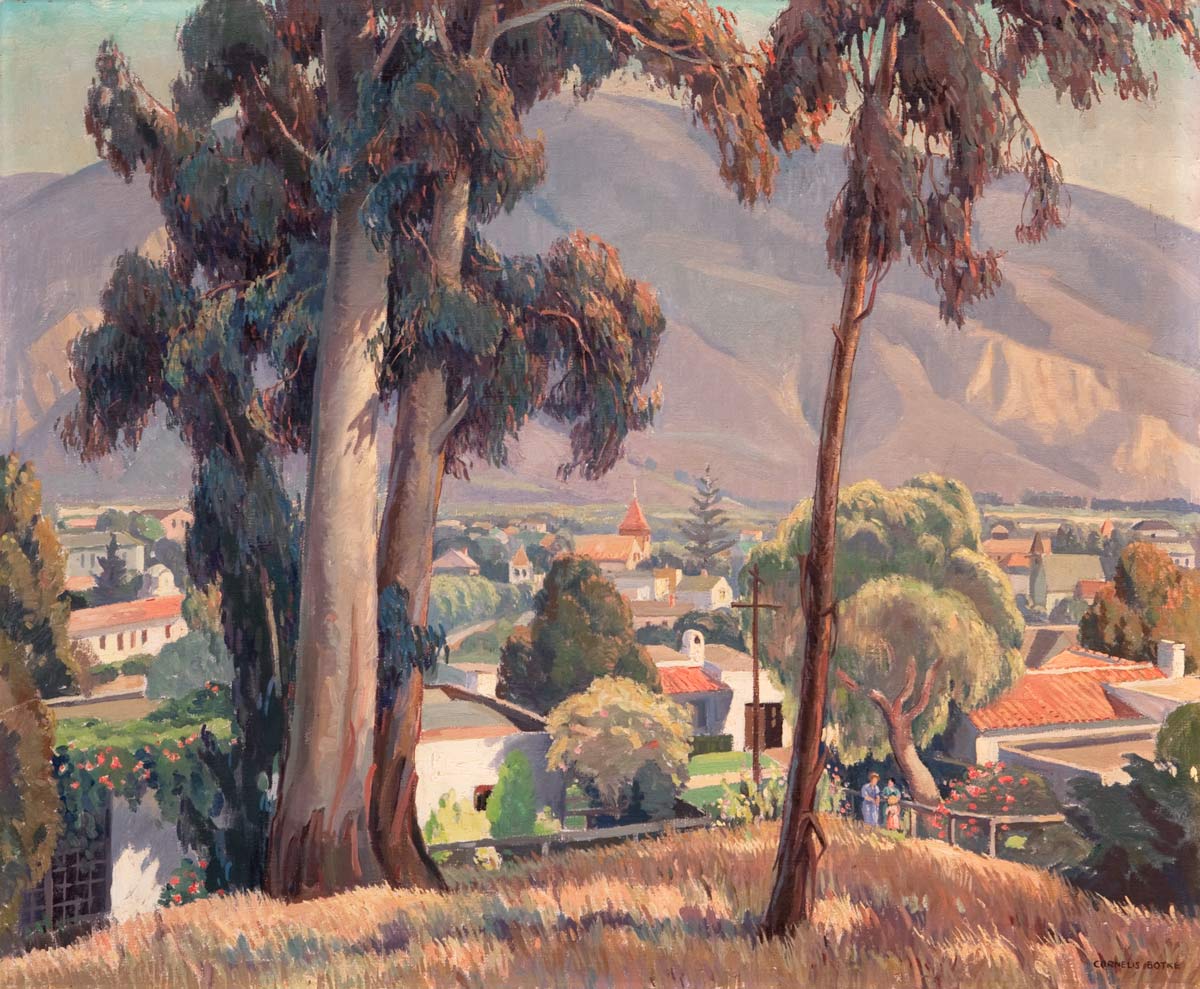
Santa Paula artist Cornelis Botke (1887-1954) is best known as a master etcher and as a supporting figure in the career of his wife, artist Jessie Arms Botke (1883-1971). His etchings earned international acclaim and entered the collections of the California State Library, the Library of Congress, and the Smithsonian Institution. Yet from childhood, Cornelis’ true ambition was to be a painter.
Botke was born in Leeuwarden, Holland, in 1887. Orphaned at a young age, he was raised and educated in a Mennonite orphanage in Haarlem. Although he longed to pursue painting, his guardians worried about his livelihood and enrolled him instead at the Haarlem School of Applied Art, where students trained for professional trades such as architectural drawing, engraving, and metalwork.
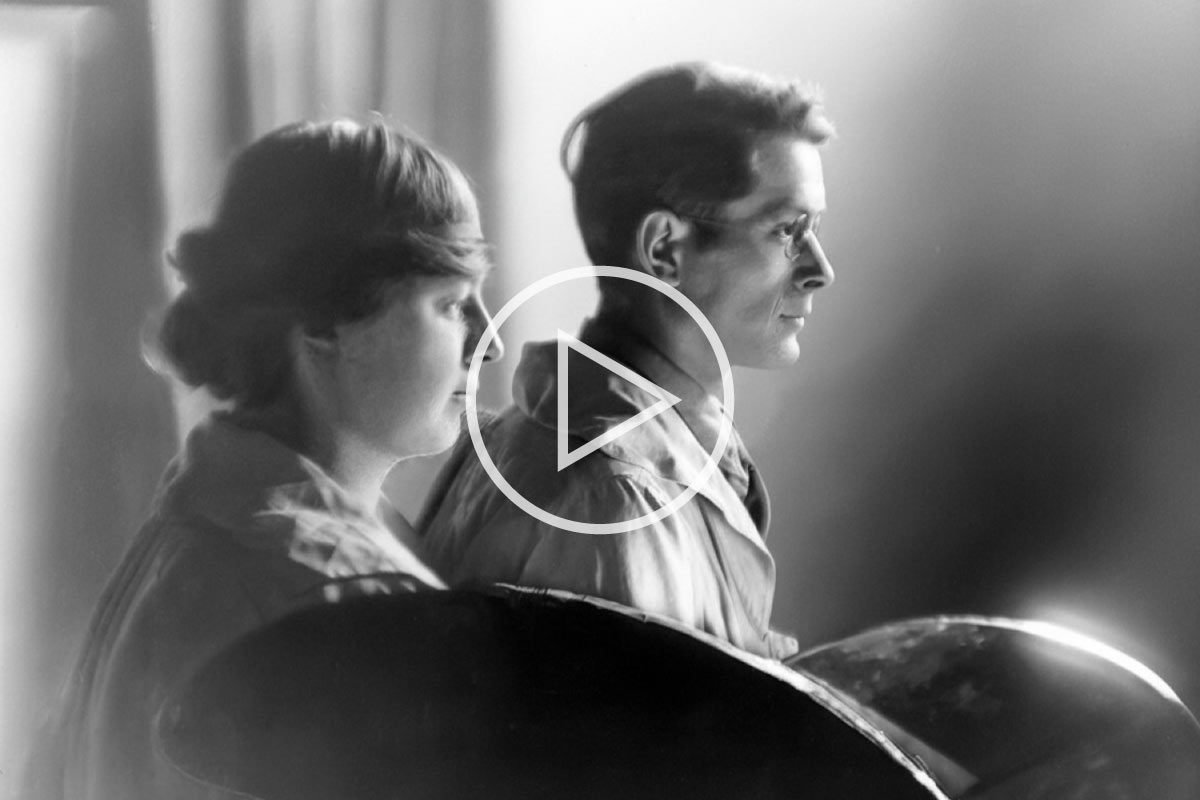
In 1906, Botke emigrated to the United States, joining his cousin’s architectural firm in Kenosha, Wisconsin. A year later he moved to Chicago and worked as an architectural renderer. Determined to pursue painting, he spent much of his paycheck on art supplies and studied at night at the Art Institute of Chicago. Through mutual friends he met fellow artist Jessie Arms in 1914. The two married just six months later and completed their first large-scale mural commission together before even taking a honeymoon—the first of many collaborations during their marriage.
After visiting California in 1918, the couple packed their belongings—and their young son, Bill—and moved to Carmel in 1919. There Cornelis taught landscape painting and life drawing at Carmel Arts and Crafts Club. Following a two-year trip through Europe and a short period in Los Angeles, the Botke family settled on a ranch in Wheeler Canyon in Santa Paula in 1929. Jessie and Cornelis converted an old barn into an art studio, combining fine art and fruit growing while producing what they considered their best work.
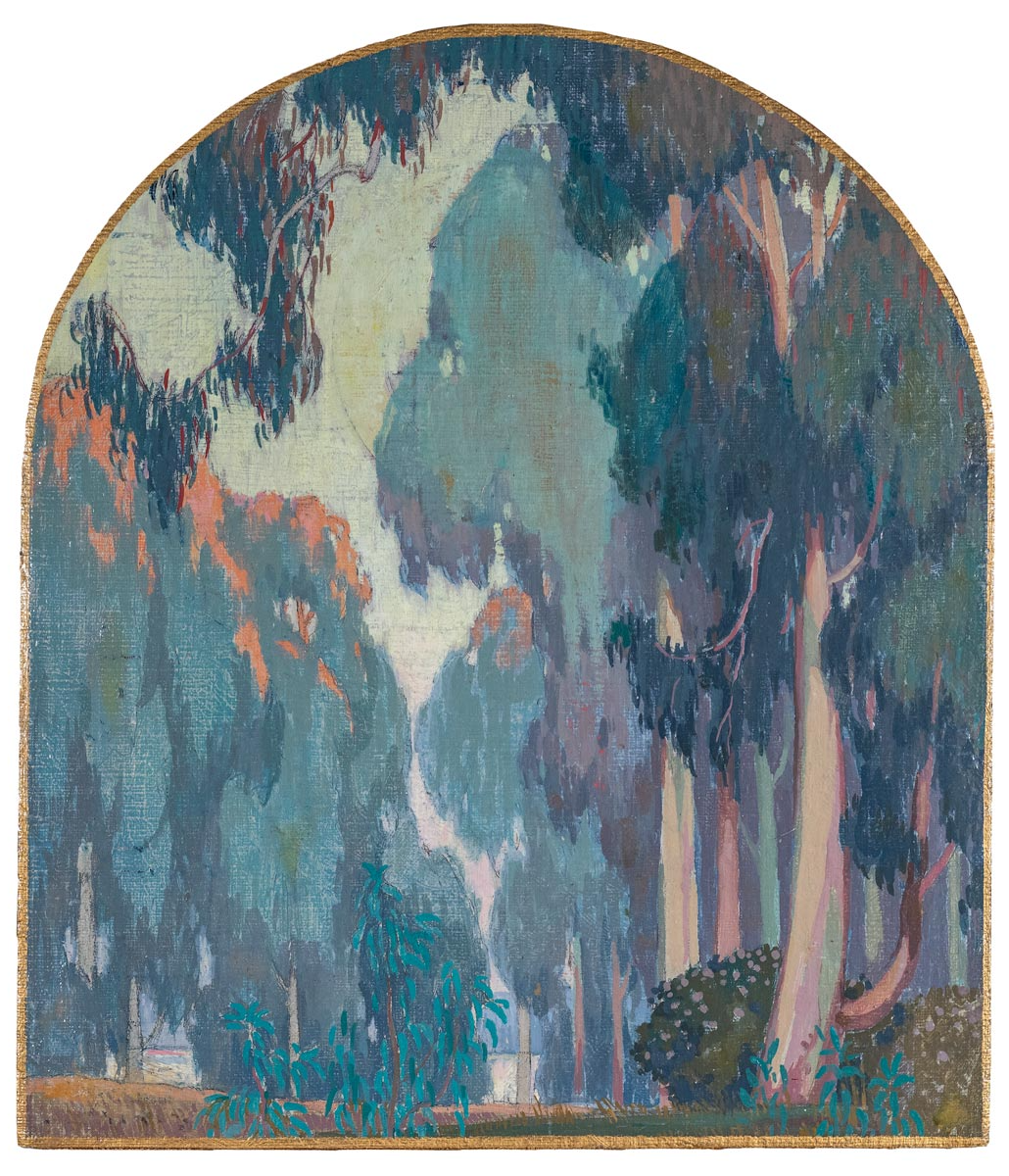
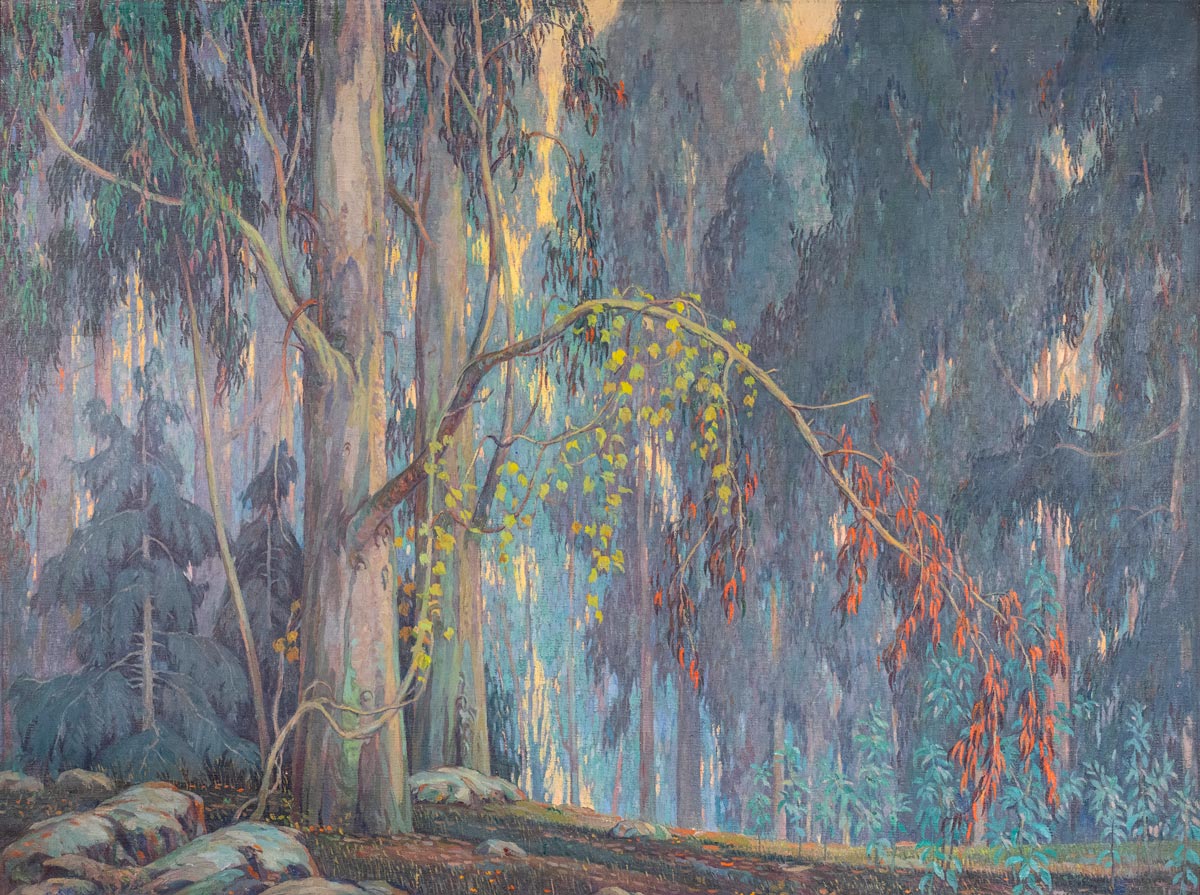
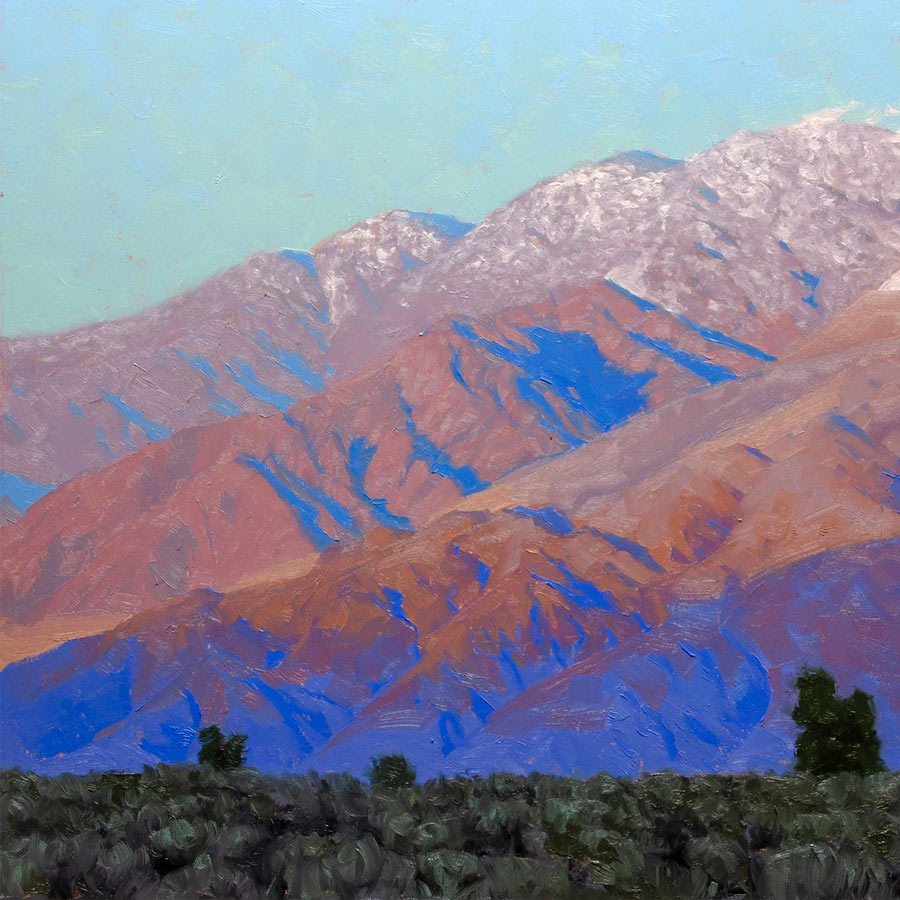
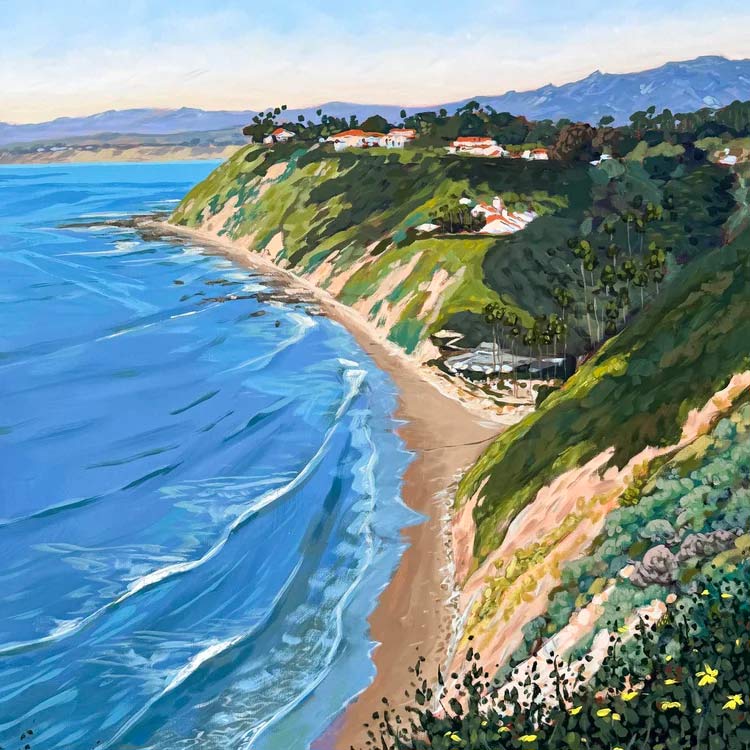
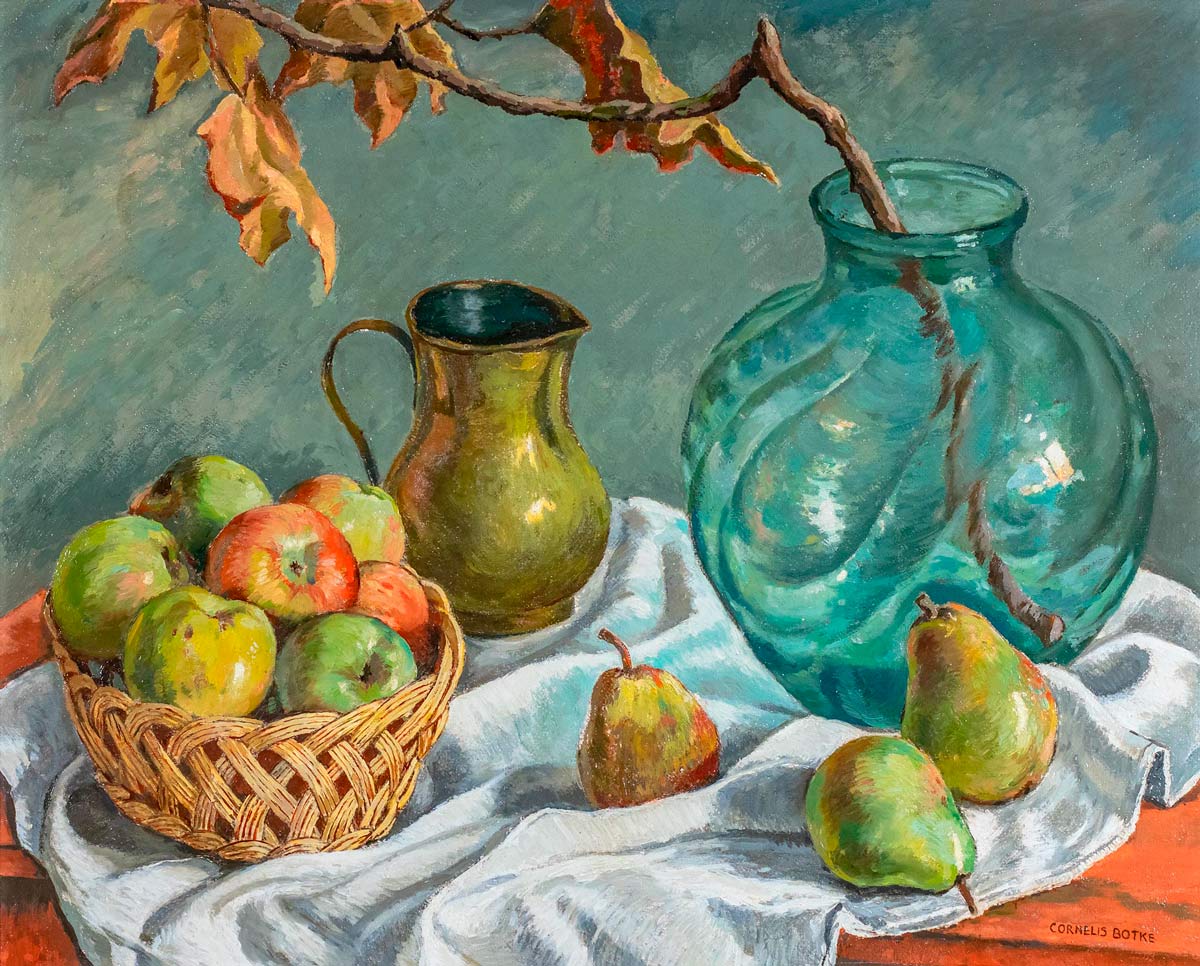
In 1931, Los Angeles Times art critic Arthur Millier described Cornelis as a “kind-eyed, methodical Dutchman… [who] painted the landscape in a charming decorative manner, romantic and colorful.” Botke’s landscapes, seascapes, and still lifes were widely recognized for their bright, clear, and joyous color.
Cornelis Botke died unexpectedly in 1954 from acute diabetes, but not before fulfilling his lifelong dream of becoming a painter. Gathered from private collections and the permanent collections of the Santa Paula Art Museum, City of Santa Paula, and Santa Paula Unified School District, this collection of 50 works is the largest exhibition of Cornelis’ paintings ever staged.
While we recommend seeing this exhibit in person, please enjoy this abbreviated look in your inbox!
|