
By David Magallanes • Guest contributor
A couple of weeks ago, I randomly chose a book to read from one of the “little libraries” that people put up in their front yards. Despite considering myself somewhat of an optimist, a book by Timothy Egan, The Worst Hard Time, caught my eye.
This book is about the Great American Dust Bowl, that period of our history marked by immense environmental, economic, and agricultural hardship. The Dust Bowl coincided with the Great Depression, something that my parents and grandparents lived through—and fortunately survived.
We’ve all seen how misinformation can sometimes get us into a lot of trouble. Even without the internet or social media, the same phenomenon used to target ordinary citizens during the early 20th century. Americans were being told that the fertile soil of the Great Plains, in states such as Oklahoma, Texas, and Kansas, was “inexhaustible.” This led many to believe that they could exploit the soil for quick profit, which they did. They then prospered…until the house of cards collapsed spectacularly.
By uprooting the prairie grasses that had adorned the Midwest for thousands of years and planting crops such as cotton and wheat in their place, Americans were subjected to, shall we say, “adverse consequences.” More accurately, the ignorance mixed with a generous measure of arrogance exploded in their faces and brought down misery of epic proportions on our country.
Native Americans had understood the fragile balances in nature and were successful stewards of the land for millennia. American fortune seekers ran them off this Midwestern land that had been their home and promptly ruined it within half a generation.
Such ideological stubbornness reigns supreme in our own times, and the consequences threaten to be far more devastating. Ignoring the certainty of our looming climate crisis and calling it a “hoax” promises an even harsher reflex reaction from nature. The earth will see to it that not just the United States but indeed the entire world will be forced to, in the words of Barack Obama after the 2010 midterm elections, “take a shellacking.”
In other words, Mother Nature will not be bargained with. Her rules are absolutely non-negotiable. To paraphrase a popular, crude social media slogan, nature dares us to “mess around and find out.” Already, we are finding out. Just ask the billions of people who suffer from extreme heat every year. Ask the people living on Pacific islands that are suddenly being inundated due to rising sea levels. Query the mounting numbers of people who are forced to evacuate their homes and communities in the midst of flooding or catastrophic wildfires.
We are not speaking of climate change that occurs over centuries or millennia. Just in my own lifetime, the effects of accelerating climate change are frighteningly severe. The same arrogance that destroyed the Midwest is destroying our lives and our planet.
We still have time to mitigate, at least to some degree, the damage that our descendants will certainly inherit from us. If we can get ourselves to learn the lessons of the American Dust Bowl, perhaps we will successfully dodge a bullet, at least to some extent. By getting past our ideological biases and learning to respect science, we increase the probability of surviving the 21st century.
But we must first stop ruining the climate, destroying the ocean, creating insurmountable debt, and infusing the environment with toxins and microplastics. Only then will future generations have a fighting chance to survive, and even prosper.
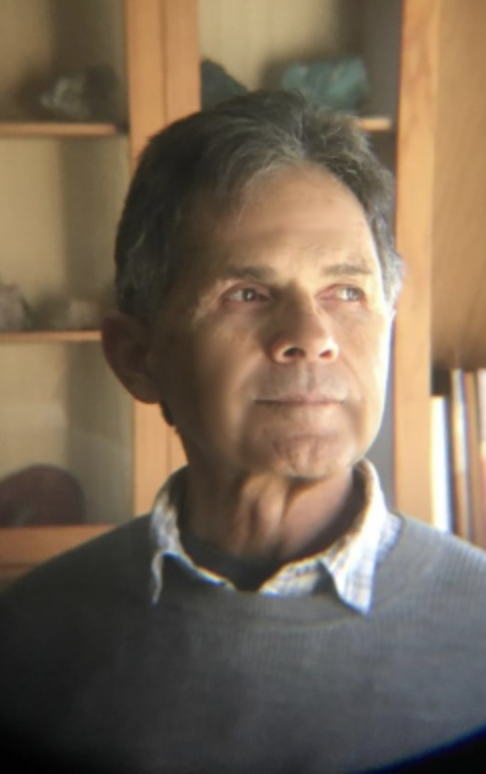
— David Magallanes is a retired professor of mathematics.
***
El Dust Bowl (Tazón de Polvo): Una Advertencia
Por David Magallanes • Columnista invitado”
Hace un par de semanas, elegí al azar un libro para leer en una de esas “pequeñas bibliotecas” que la gente instala en los jardines delanteros de sus casas. A pesar de considerarme una persona bastante optimista, me llamó la atención un libro de Timothy Egan titulado The Worst Hard Time (La Peor Época Difícil).
Esta obra trata sobre el “Dust Bowl” (la gran tormenta de polvo) de Estados Unidos, aquel periodo de nuestra historia marcado por enormes adversidades ambientales, económicas y agrícolas. El Dust Bowl coincidió con la Gran Depresión, una época que mis padres y abuelos vivieron—y de la que, afortunadamente, sobrevivieron.
Todos hemos visto cómo la desinformación puede meternos en graves problemas a veces. Incluso antes de la existencia de internet o las redes sociales, ese mismo fenómeno afectaba a los ciudadanos comunes a principios del siglo XX. Se decía a los estadounidenses que el suelo fértil de las Grandes Llanuras—en estados como Oklahoma, Texas y Kansas—era “inagotable”. Esto llevó a muchos a creer que podían explotar la tierra para obtener ganancias rápidas, y así lo hicieron. Prosperaron…hasta que aquel castillo de naipes se derrumbó estrepitosamente.
Al arrancar las hierbas de la pradera que habían adornado el Medio Oeste durante miles de años y plantar cultivos como algodón y trigo en su lugar, los estadounidenses se vieron expuestos a, digamos, “consecuencias adversas”. Para ser más exactos, la ignorancia, mezclada con una buena dosis de arrogancia, les estalló en la cara y trajo consigo una miseria de proporciones épicas para nuestro país.
Los nativos americanos comprendían el frágil equilibrio de la naturaleza y habían sido excelentes guardianes de la tierra durante milenios. Los buscadores de fortuna estadounidenses los expulsaron de esas tierras del Medio Oeste que habían sido su hogar y, en apenas media generación, las arruinaron.
Esa misma obstinación ideológica impera en nuestros días, y las consecuencias amenazan con ser mucho más devastadoras. Ignorar la certeza de la inminente crisis climática y calificarla de “farsa” augura una reacción aún más dura por parte de la naturaleza. La Tierra se encargará de que no solo Estados Unidos, sino el mundo entero, se vea obligado a—en palabras de Barack Obama tras las elecciones legislativas de mitad de mandato de 2010—recibir una “paliza monumental”.
En otras palabras, con la Madre Naturaleza no se negocia. Sus reglas son absolutamente inamovibles. Para parafrasear un eslogan popular y algo soez de las redes sociales, la naturaleza nos desafía a “buscar problemas y ver qué pasa”. Y ya estamos viendo qué pasa. Basta con preguntar a los miles de millones de personas que sufren el calor extremo cada año. Pregunte a quienes viven en islas del Pacífico que, de repente, se ven inundados por la subida del nivel del mar. Consulte a la cifra creciente de personas obligadas a evacuar sus hogares y comunidades en medio de inundaciones o incendios forestales catastróficos.
No estamos hablando de un cambio climático que se produce a lo largo de siglos o milenios. Tan solo en el transcurso de mi vida, los efectos de la aceleración del cambio climático han alcanzado una gravedad aterradora. La misma arrogancia que devastó el Medio Oeste está destruyendo nuestras vidas y nuestro planeta.
Todavía estamos a tiempo de mitigar, al menos en cierta medida, el daño que sin duda heredarán nuestros descendientes. Si logramos aprender las lecciones de la Depresión y del Dust Bowl en Estados Unidos, tal vez consigamos salvarnos de milagro, al menos parcialmente. Al superar nuestras preferencias ideológicas y aprender a respetar la ciencia, aumentamos las probabilidades de sobrevivir al siglo XXI.
Pero primero debemos dejar de arruinar el clima, de destruir los océanos, de generar deudas insuperables y de contaminar el medio ambiente con toxinas y microplásticos. Solo entonces tendrán las generaciones futuras una oportunidad real de sobrevivir e incluso de prosperar.
– – David Magallanes es un profesor jubilado de matemáticas.
Editor’s note: Amigos805 welcomes comments on stories appearing in Amigos805 and on issues impacting the community. Comments must relate directly to stories published in Amigos805, no spam please. We reserve the right to remove or edit comments. Full name, city required. Contact information (telephone, email) will not be published. Please send your comments directly frank@amigos805.com