|
Volume 20 / Number 74 / May 2025
|
|
Your Livable Communities Newsletter
|
|
| We are continuing to look at the dire housing crisis in Ventura County and the need for affordability in the real estate market. This quarter’s articles focus on identifying different housing needs and a variety of approaches used to fill them.
The actualized projects presented by the Cabrillo Economic Development Corporation and California State University Channel Islands each address the needs of specific groups in different but effective ways. The third segment discusses a project that has initial approval and is working its way through the system in Ventura.
It is clear that creativity in design, amenities, location and financing, along with process flexibility, are key
Let us know what you think.
Stacy Roscoe |
|
|
Building for Dignity: Addressing the Housing Needs of Seniors and Underserved Populations in Ventura County
By Cabrillo Economic Development Corporation (CEDC)
|
|
|
At Cabrillo Economic Development Corporation (CEDC), our mission is rooted in the belief that everyone deserves a safe, affordable, and dignified place to call home. For over four decades, we’ve been building housing and communities that empower Ventura County’s most underserved populations—including farmworkers, low-income families, seniors, veterans, and individuals with disabilities. The broader housing landscape reveals an urgent need to support a growing and diverse population of residents facing housing insecurity.
|
|
|
CEDC has seen the reality of our area’s housing firsthand through overwhelming demand for our affordable developments. Our waitlists often include hundreds of applicants per property, with the greatest unmet need seen in housing for low-income seniors, agricultural workers, and families with children.
Who We Serve
Our developments are designed to serve those most in need:
- Farmworkers: Agricultural workers form the backbone of Ventura County’s economy yet often live in overcrowded or substandard conditions. Properties like Villa Cesar Chavez in Oxnard provide safe, stable housing for this critical workforce.
- Veterans and individuals with disabilities: While a smaller portion of our resident population, veterans and people with disabilities benefit from developments that integrate accessibility features and, when possible, supportive services.
- Seniors: Aging residents face rising rents, social isolation, and accessibility challenges. Developments like Camino Esperanza in Simi Valley provide age-appropriate units with supportive amenities.
|
|
|
Completed in 2017, this 2.6 acre development offers 31 one-bedroom units specifically for seniors aged 62 and older, with 11 of those units set aside for individuals with developmental disabilities. The project reflects a strong commitment to providing inclusive, supportive housing for the community’s most vulnerable seniors.
|
|
- Low-income families: Access to stable housing improves educational outcomes and economic mobility. We build communities like Paseo Del Rio/Santa Clara in Oxnard, and Azahar Place in Ventura, to meet these intergenerational needs.
|
| Built on neighboring properties situated on Riverpark Boulevard, the Paseo Del Rio/Santa Clara projects in Oxnard offer a combined total of 140 affordable rental homes, including one-, two-, and three-bedroom townhomes and flats. Included are a designated number of units reserved for supportive housing, specifically for individuals living with mental illness The development has been recognized for its innovative design and incorporation of green features, earning the 2009 Multifamily Project of the Year award from the Southern California Association of Non-Profit Housing. |
| Located on 5.1 acres in Ventura, Azahar Place is a 60-unit development evenly divided to serve two vital populations: 30 units are reserved for low-income families, while the other 30 are designated for farmworkers and their families. The property offers a range of one-, two-, three-, and four-bedroom townhomes and flats, designed to accommodate a variety of household sizes. Residents benefit from a 2,059-square-foot community building featuring a computer lab, kitchen, and community room. Adjacent to the site is a 2-acre public park with barbecue and picnic areas, a full basketball court, a soccer field, and a 4,400-square-foot playground. Demonstrating a strong commitment to sustainability, Azahar Place incorporates green building practices and has earned LEED-Platinum certification. |
| Challenges We Face
Bringing these developments to life is increasingly difficult. We contend with:
- Limited land availability, especially in desirable areas near transit, jobs, and services.
- Rising construction and labor costs, which impact project feasibility.
- Lengthy entitlement processes and zoning restrictions, which delay timelines.
- Community resistance to affordable housing, especially when projects serve vulnerable populations.
Despite these challenges, CEDC has remained committed to advocating for inclusive communities and collaborating with local jurisdictions to address barriers.
What’s Working
To navigate obstacles, we’ve found several strategies to be effective:
- Layered funding: By combining Low-Income Housing Tax Credits (LIHTC), HOME funds, state grants, and local contributions, we bring financial viability to projects while keeping rents affordable.
- Integrated service partnerships: Collaborating with local nonprofits allows us to offer onsite services like after-school programs, food distributions, and case management that help residents thrive.
- Thoughtful design: Our properties are built with community in mind—green spaces, community rooms, and culturally relevant design elements foster pride and belonging.
- Community engagement: Early and transparent outreach to neighborhoods helps build trust, address concerns, and gain support for our developments.
Looking Ahead
The path forward requires bold solutions. Ventura County must plan for an aging population, support low-income families’ housing stability, and protect the essential workforce, especially farmworkers, who sustain our local economy. The senior population is projected to grow by over 40% in the next decade, making age-appropriate housing an urgent priority.
We must continue to expand funding sources, increase political will for affordable development, and push for zoning and policy reforms that support higher-density and mixed-income communities. Affordable housing is not only about shelter—it’s about dignity, equity, and opportunity.
At CEDC, we believe that affordable housing is the foundation for healthy, thriving communities. Our work goes beyond bricks and mortar—we’re building places where seniors can age with dignity, farmworkers can rest after a hard day’s work, and families can build better futures. Ventura County deserves nothing less.
–Victoria Brady, CEO of Cabrillo Economic Development Corporation
At CEDC, we remain steadfast in our mission to serve those who need housing the most, and to create communities where everyone has a place to call home.
To see other CEDC projects: https://www.cabrilloedc.org/where-do-i-want-to-live/ |
|
| Affordable Housing and Campus Growth at CSU Channel Islands: A Model for University-Community Integration
California State University Channel Islands (CSUCI) has pioneered a unique approach to campus development and faculty housing through legislation passed in 1998. The California State University Channel Islands Site Development Act, along with Senate Bill 1923, created the CSUCI Site Authority to repurpose the Camarillo State Hospital site into a thriving academic and residential community. Central to this effort is a mission to support CSUCI’s educational goals by developing affordable housing, enhancing recruitment and retention of faculty and staff, and fostering a vibrant campus life.
The Site Authority oversees two major residential communities: University Glen and Anacapa Canyon.
University Glen
|
|
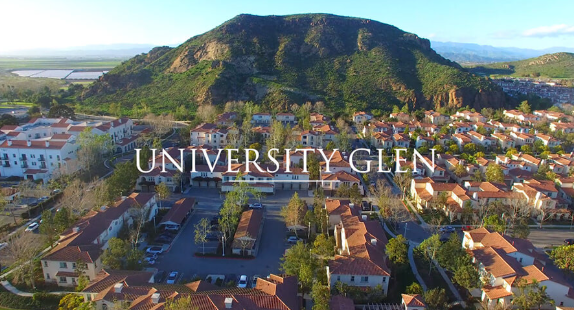
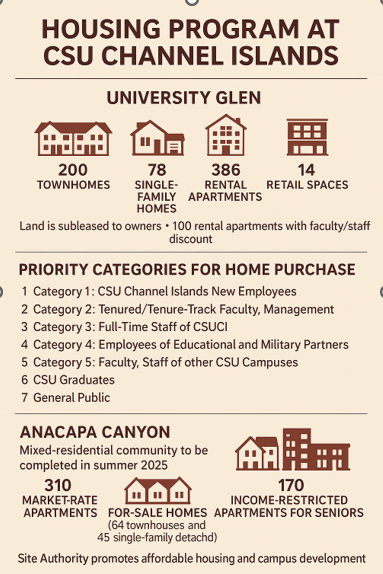
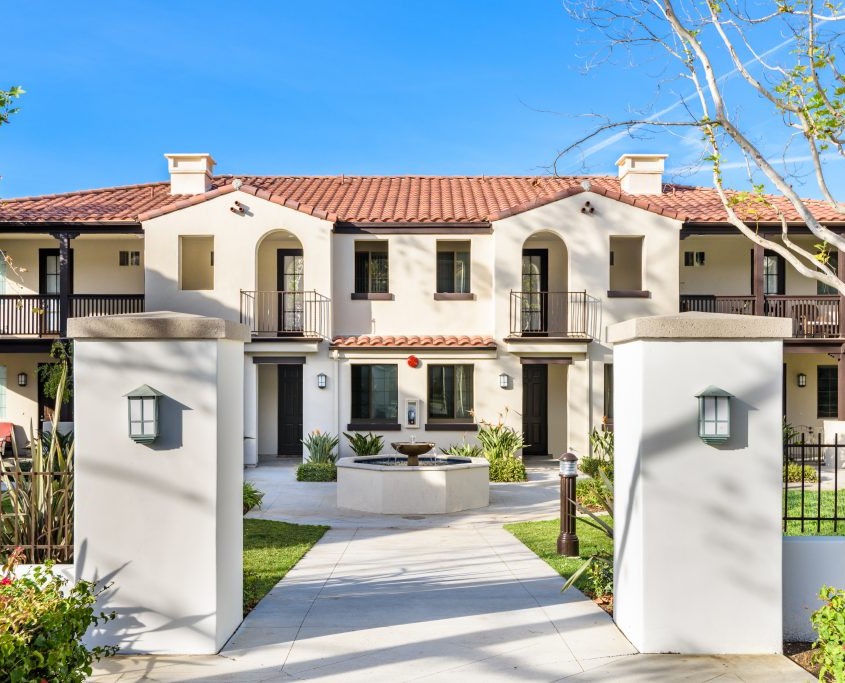
University Glen, established in 2002, was designed to attract and retain talented faculty and staff. It features 200 townhomes, 78 single-family homes, 386 rental apartments, and 14 retail spaces. Initially exclusive to CSUCI personnel, the community has since expanded to include alumni, military personnel, educational partners, and the public. However, a priority system ensures CSUCI employees and affiliates have preferred access to homeownership.
|
|
|
| Under a unique ground sublease system, homeowners in University Glen lease the land their homes occupy from the Site Authority, keeping housing costs relatively low. As of April 2025, homes sold in University Glen averaged $466,063, significantly less than Camarillo’s median home price of $917,968. To maintain affordability, resale prices are capped based on the Consumer Price Index and approved capital improvements. About 32% of homes in University Glen are owned by current or retired CSUCI employees. |
|
|
|
| Additionally, 100 rental apartments in the Mission Hills Apartment Homes complex in University Glen are reserved for CSUCI faculty and staff at discounted rates.
The University Glen project includes a community center, pools and fitness centers, a playground, community garden, dog park, sports park and basketball court. |
|
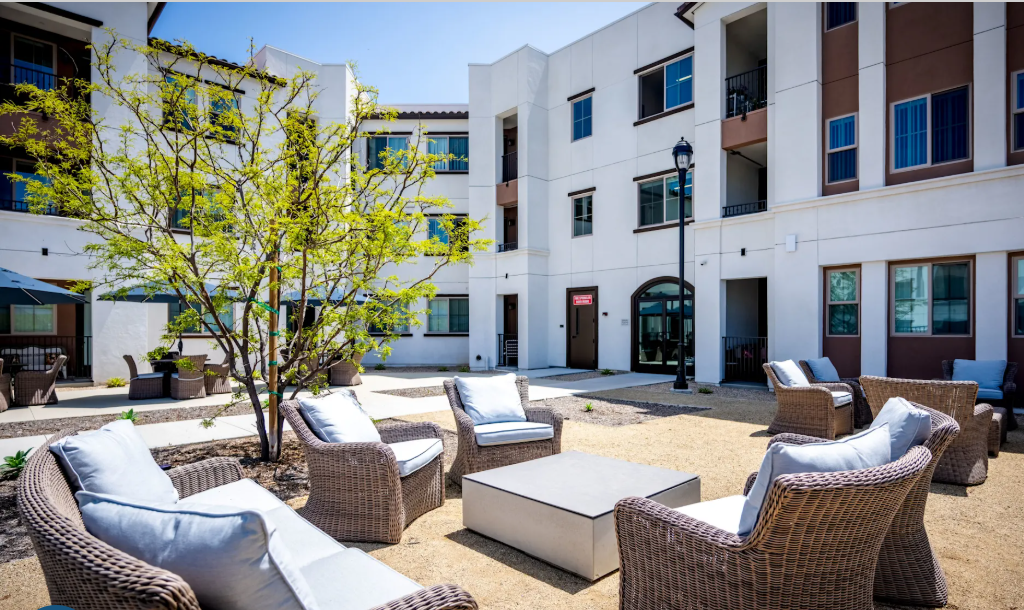
| Anacapa Canyon, the second community developed under the Site Authority, began construction in 2021 and is expected to be fully occupied by summer 2025. Amenities include a clubhouse, pool, fitness center and recreational park areas and trails. The project is comprised of 310 market-rate apartments, 109 for-sale homes, and 170 income-restricted apartments for seniors. |
|
| These pet-friendly senior apartments are reserved for residents aged 55 and older earning no more than 60% of the Area Median Income, with rent capped accordingly. |
|
|
| Through the Site Authority, CSUCI has successfully integrated affordable housing with campus development, creating inclusive, sustainable communities that support its academic mission. This model provides a compelling example for other universities facing housing challenges in high-cost areas. |
|
Ventura Ranch Housing Project
Within the general need for affordable housing in Ventura County is a significant need for the farmworkers who plant, nurture, harvest and ship the food supply for our county and country. Their work supports our local $2.1 billion/year agricultural economy, but low wages and the high cost of renting is an obstacle to safe and habitable housing for these families.
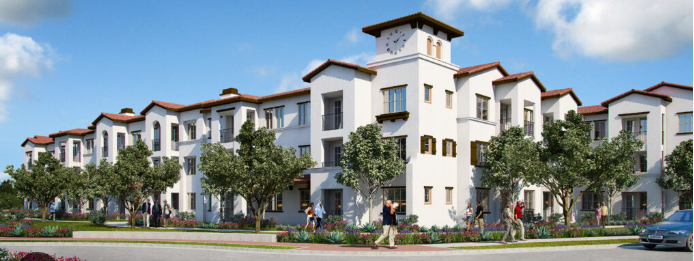
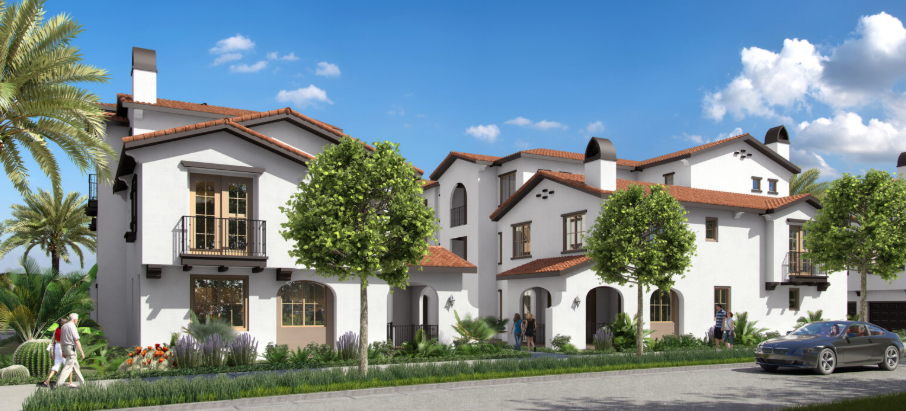
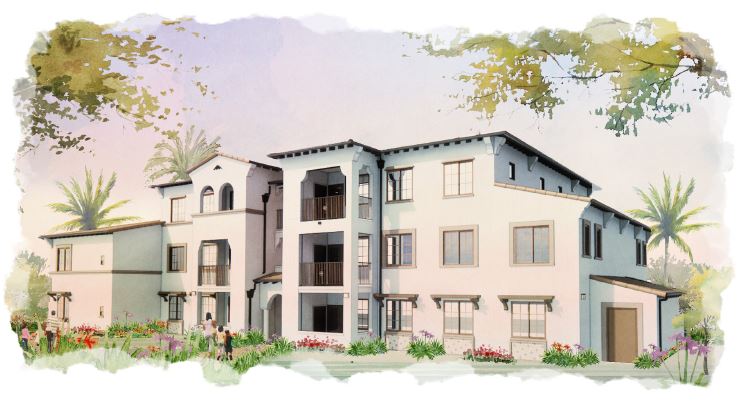
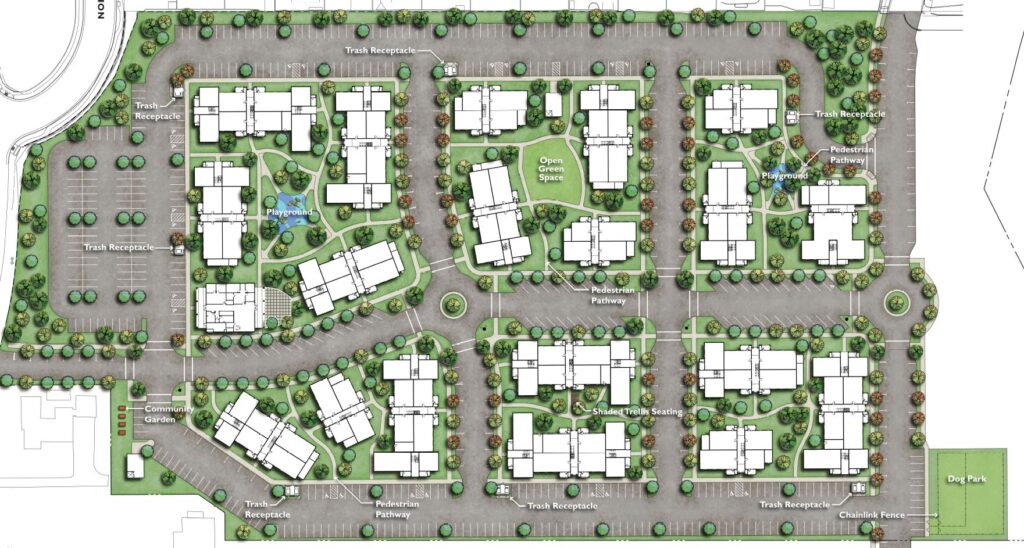
The Ventura Ranch Housing Project, located on Ventura Avenue in an unincorporated area, attempts to address that need. Application for its planned development permit has been completed, and the next step is to prepare an environmental analysis through an EIR (Environmental Impact Report) for this 328-unit farmworker housing in West Ventura. The 82.9 acre parcel will have 19.6 acres built out. The Spanish Colonial style architecture of the project will grace 18 three story residential buildings, one of which will have a ground floor community center. The one-, two-, and three-bedroom apartments have a one-story community center on site. |
|
| Because the development serves agricultural workers and their families, it is permissible under the SOAR initiative. Although the project is also eligible for a Density Bonus because it will be 100% affordable for those with low income (individuals and families who make 80% or below of the area median wage), additional density is not being requested at this time.
Quality of life for residents is enriched by the plan’s inclusion of a community garden, a central basketball court with an outdoor recreational area, and two playgrounds. There will also be outdoor picnic and barbeque areas, a corn hole court, and a bocce ball court to promote community activities.
The proposed Tentative Parcel Map would create a 53.3 acre conservational parcel to remain open space and a 10 acre private agricultural parcel for continued crop production. |
|
|
Thank you to our
State of the Region sponsors:
RESEARCH SPONSOR
|
|
|
TITLE SPONSOR
Ventura County Community College District
|
|
|
ManpowerGroup
Ventura County Credit Union
Bill & Elise Kearney
|
|
|
Acosta Wealth Management
Dyer Sheehan Group, Inc.
United Way
David Maron
Kate McLean and Hon. Steve Stone
Stacy and Kerry Roscoe
|
|
|
|
|