
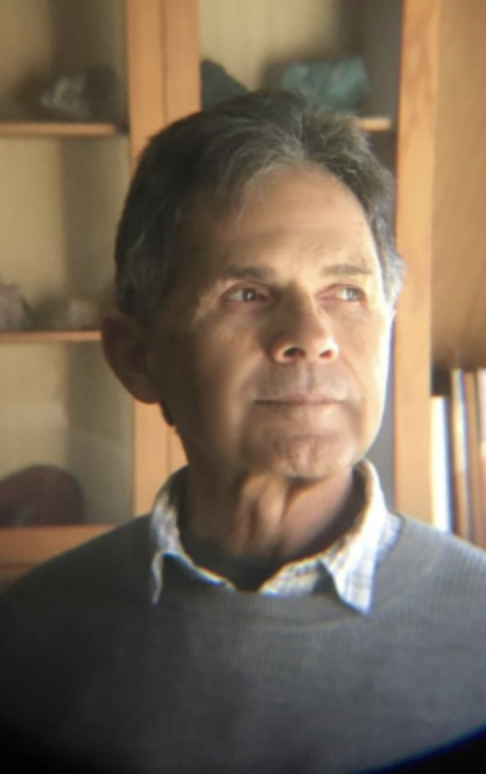
 By David Magallanes • Guest contributor
Coming from an artistic family, I knew in my youth that one day I’d want to see some of the world-renowned art in Paris. In 2004, I set out to do just that.
After taking several semesters of French at Ventura College, I felt confident enough, though with some trepidation, to face the well-known linguistic judgment (if not the disdain) of the French people.
However, to my surprise and delight, the French were very accommodating and supportive. They seemed to embrace an American who did not expect everyone to speak English and who could actually communicate (though not without difficulty at times) in their language.
I must have been a bit of an enigma to some of them with my English-and-Spanish-accented French. But I found that those who worked with tourists day in and day out could spot Americans as quickly as a heat-seeking missile detects a jet engine.
On one of my forays into the cultural heart of Paris, I decided to visit the Musée d’Orsay, an art museum of the highest order. It houses the world’s largest collection of Impressionist and post-Impressionist masterpieces. Some of the immortal artistic names in this sacred space are Monet, Degas, Renoir, Cézanne, and van Gogh.
As I approached the outdoor ticket booth, I could see a young lady in it, chatting with visitors as they purchased their tickets. Standing in front of her, I tried to impress her with my knowledge of French: “Un billet pour le musée, s’il vous plaît” (“One ticket for the museum, please”). I smiled and actually attempted to flirt with her as I declared, “Je suis américain” (“I’m an American”).
To which she smugly responded, in English, “I knew that before you even got to the booth.”
My jaw must have dropped about as far as I am tall. I sputtered, “How did you know?”
I’ll never forget her answer: “I just know.”
Apparently, hospitality workers around the globe have our number. They can spot us Americans a kilometer away. The way we walk, talk, dress, and generally carry ourselves serves as a dead giveaway that betrays us even when we want our nationality to be imperceptible.
But trying to force myself under the radar of a tourist industry worker like in this case is like me walking into a rodeo in Wyoming dressed in a business suit, hoping that no one notices. Interacting with people from around the world on a daily basis, these service providers can’t help but fine-tune their detection circuits in ways that even they likely do not understand. It’s something that simply “happens” over time, much like the enigmatic ability of an experienced musician to discern the sounds and timing of notes in ways that most of us can never even hope to comprehend.
So next time I approach a ticket window occupied by a French mademoiselle in Paris, I’ll smile, skip the flirting, and just buy my ticket.
— David Magallanes is a retired professor of mathematics.
***
“Simplemente Lo Sé”
Por David Magallanes • Columnista invitado”
Proveniente de una familia de artistas, supe desde joven que algún día querría ver algunas de las obras de arte de renombre mundial de París. En 2004, me propuse precisamente eso.
Tras cursar varios semestres de francés en Ventura College, me sentí lo suficientemente seguro, aunque con cierta inquietud, como para enfrentar el bien conocido juicio lingüístico (si no el desdén) de los franceses.
Sin embargo, para mi sorpresa y deleite, los franceses fueron muy comprensivos. Parecían aceptar a un estadounidense que no esperaba que todos hablaran inglés y que, de hecho, podía comunicarse (aunque a veces con dificultad) en su idioma.
Debí de ser un enigma para algunos de ellos con mi francés con acento inglés y español. Pero descubrí que quienes trabajaban con turistas a diario podían identificar a los estadounidenses con la misma rapidez con la que un misil termoguiado detecta un motor a reacción. En una de mis incursiones en el corazón cultural de París, decidí visitar el Musée d’Orsay, un museo de arte de primera. Alberga la mayor colección de obras maestras impresionistas y postimpresionistas del mundo. Algunos de los nombres artísticos inmortales de este espacio sagrado son Monet, Degas, Renoir, Cézanne y van Gogh.
Al acercarme a la taquilla exterior, vi a una joven charlando con los visitantes mientras compraban sus entradas. De pie frente a ella, intenté impresionarla con mis conocimientos de francés: “Un billet pour le musée, s’il vous plaît” (“Una entrada para el museo, por favor”). Sonreí e incluso intenté coquetear con ella al declarar: “Je suis américain” (“Soy estadounidense”).
A lo que respondió con suficiencia, en inglés: “Lo sabía incluso antes de que llegaras a la taquilla”.
Debí de quedarme totalmente boquiabierta. Balbuceé: “¿Cómo lo supiste?”.
Nunca olvidaré su respuesta: “Simplemente lo sé”.
Al parecer, los trabajadores de la hostelería de todo el mundo saben de qué pie cojeamos. Pueden detectarnos a los estadounidenses a un kilómetro de distancia. La forma en que caminamos, hablamos, vestimos y, en general, la manera en que nos comportamos nos delata, incluso cuando queremos que nuestra nacionalidad sea imperceptible.
Pero intentar pasar desapercibido bajo la nariz de un trabajador de la industria turística, como en este caso, es como meterse en un rodeo en Wyoming vestido de traje y corbata, esperando que nadie se dé cuenta. Al interactuar con personas de todo el mundo a diario, estos proveedores de servicios no pueden evitar que sus circuitos de detección se afinen de una manera que probablemente ni siquiera ellos entiendan. Es algo que simplemente “sucede” con el tiempo, como la enigmática capacidad de un músico experimentado para discernir los sonidos y el ritmo de las notas de una manera que la mayoría de nosotros ni siquiera podemos aspirar a comprender.
Así que la próxima vez que me acerque a una ventanilla de venta de billetes ocupada por una mademoiselle francesa en París, sonreiré, evitaré el coqueteo y simplemente compraré mi billete.
– – David Magallanes es un profesor jubilado de matemáticas.
Editor’s note: Amigos805 welcomes comments on stories appearing in Amigos805 and on issues impacting the community. Comments must relate directly to stories published in Amigos805, no spam please. We reserve the right to remove or edit comments. Full name, city required. Contact information (telephone, email) will not be published. Please send your comments directly frank@amigos805.com